Exercise and training
You have reduced or stopped lifting, running, sports, or workouts because you do not trust your back.

Back pain shouldn’t decide what you can do. Our individualized back pain treatment helps you understand your symptoms, establish a starting point you can trust, and rebuild the strength and confidence to return to the activities you love.
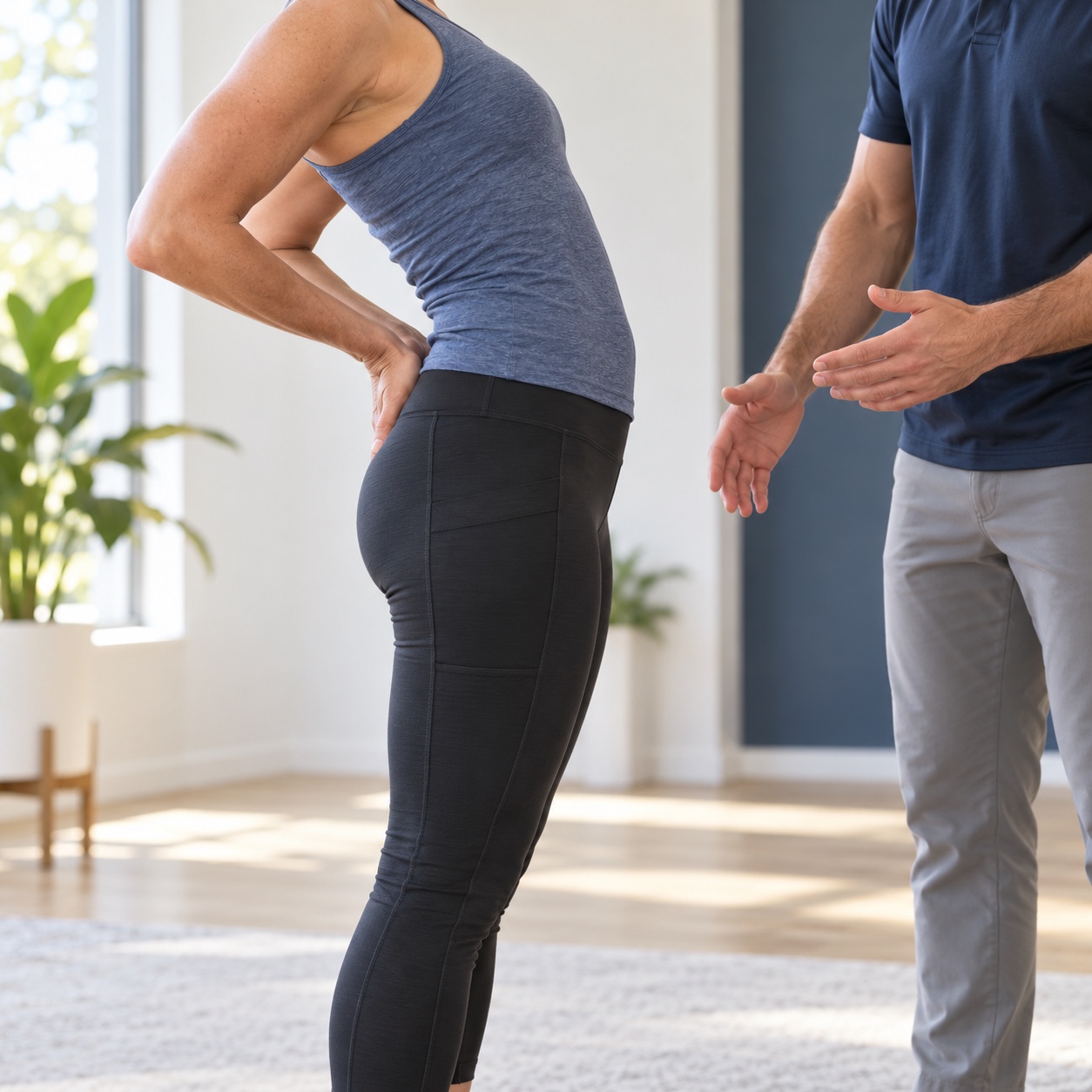
Back pain can make routine movements feel uncertain. You may limit training, avoid lifting, hesitate to bend or twist, or worry that normal activity is causing more damage. We help you replace that uncertainty with useful information and a plan.
You have reduced or stopped lifting, running, sports, or workouts because you do not trust your back.
Sitting, standing, bending, carrying, driving, or getting through the day has become uncomfortable or unpredictable.
Symptoms improve temporarily but return whenever activity, training volume, or life demands increase.
You are unsure which movements are safe and find yourself avoiding more and more activities.
Sciatica, numbness, tingling, or radiating symptoms make it difficult to know where the problem is coming from.
You have tried rest, medication, injections, adjustments, or physical therapy without a clear path forward.
Your care starts with more than where it hurts. We learn what your symptoms feel like, what changes them, what you have tried, and how back pain is affecting the activities that matter to you.
Then we test movement and load to establish a baseline you can trust. If something needs to change, we modify it thoughtfully rather than automatically telling you to stop.
A diagnosis can be useful, but it does not tell the whole story. Treatment is based on how your symptoms behave, what your body can currently tolerate, and what you want to do again.
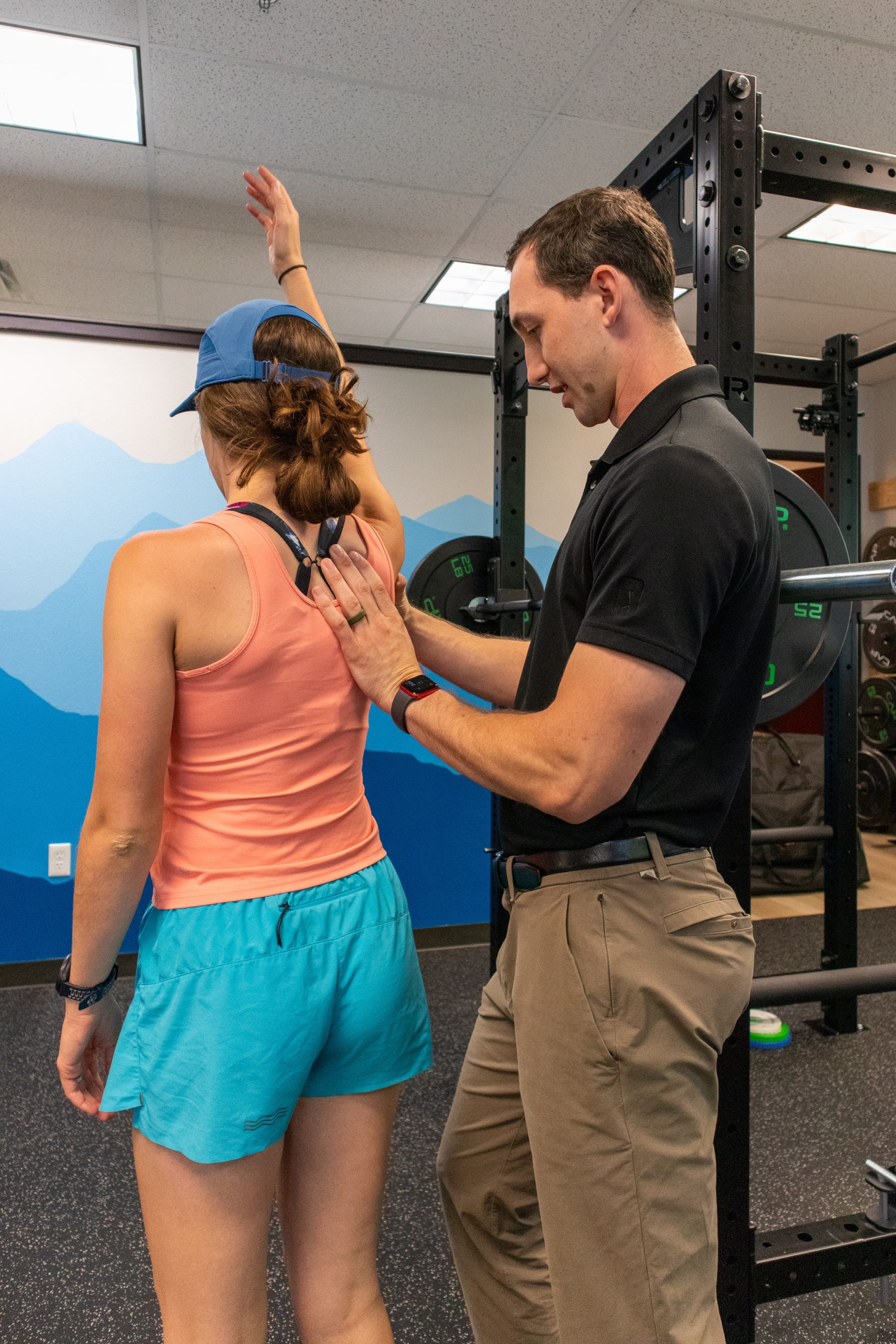
We begin with 20–30 minutes focused on your story: your symptoms, activities, concerns, goals, and what you have already tried. Your therapist will then evaluate your spine and how your symptoms respond to movement—including the activities and exercises you report as painful.
We also assess your hips, knees, and ankles when relevant to understand how the rest of your body may be influencing your back.
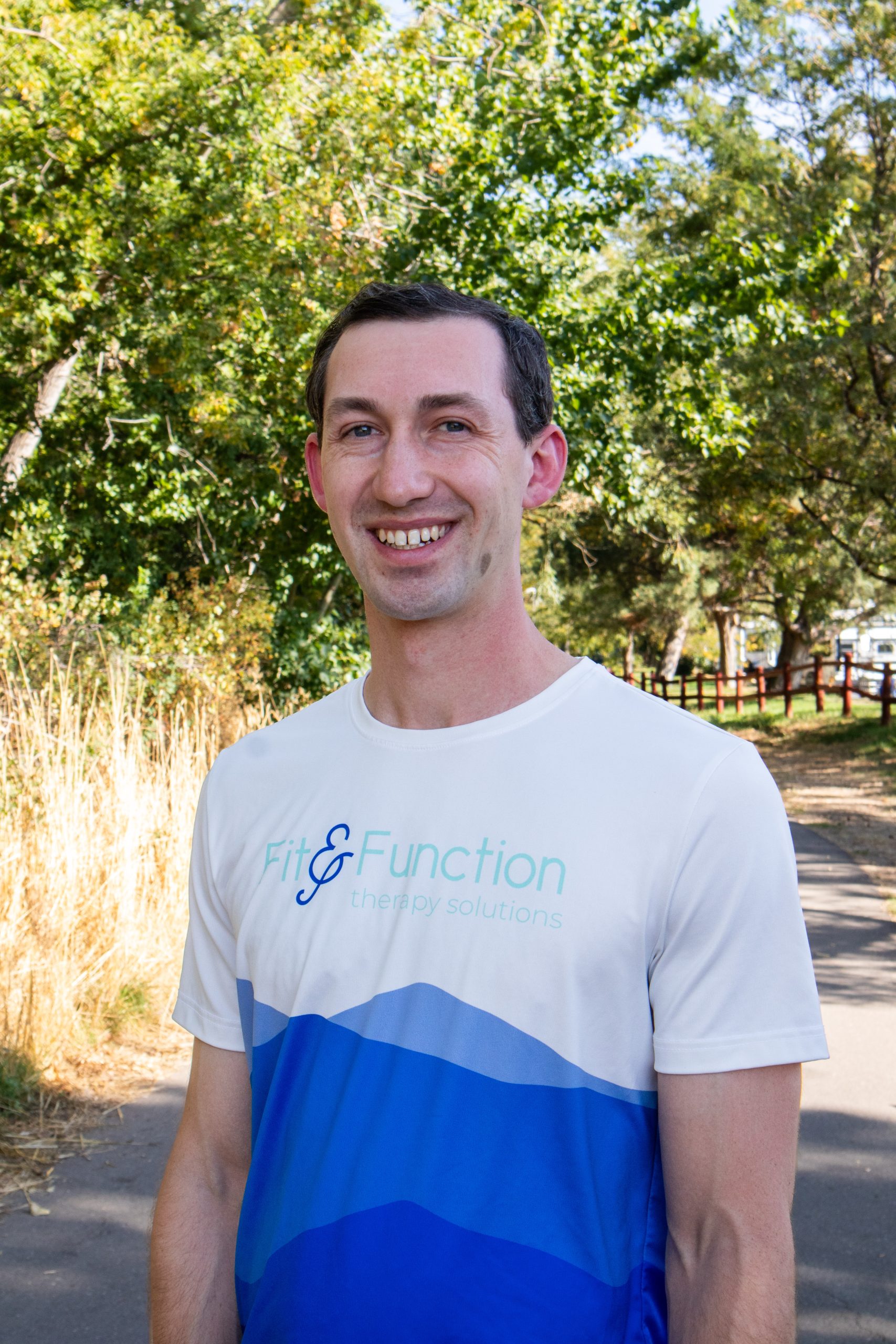
“Physical therapy should help you build the capacity and confidence to return to the activities you love.”
Ryan spent four years practicing outpatient orthopedic physical therapy at Washington University in St. Louis, treating conditions from head to toe. He especially enjoys helping active adults and adolescents improve performance, return after injury, and move with less pain and more confidence.
Back pain is a particular interest because it can affect nearly every part of daily life—and because it is so often surrounded by confusing or alarming messages.
Outside the clinic, Ryan enjoys lifting, running, sports, exploring the outdoors with his wife, and following the St. Louis Cardinals and Kansas City Chiefs.
Request an Appointment With RyanA 25-year-old weightlifter and golfer came to physical therapy after a microdiscectomy for an acute disc herniation. He had largely given up on returning to the gym because he was afraid movement would cause more damage.
We discussed why residual symptoms after surgery do not automatically indicate damage or a poor outcome. Understanding how movement and current load tolerance influence symptoms gave him hope and a safer way to think about recovery.
He began with unloaded movement to restore range of motion and become comfortable moving again, then progressed into bodyweight squats, lunges, and hinges.
Resistance and training demands increased gradually as his physical capacity and confidence improved. He ultimately returned to independent strength training.
Because golf also mattered to him, treatment included his swing and a strategy for returning to play. By discharge, he was back to lifting and golf with the confidence to manage his back independently.
Real experiences from people who wanted individualized care, clearer answers, and a path back to the activities that matter to them.
You do not need a perfect diagnosis—or complete confidence in movement—before reaching out. That is what the evaluation is designed to help clarify.
Not automatically. Your therapist will help determine what you can continue normally, what should be modified, and what may need to be temporarily paused. The goal is to keep you safely involved in your normal activities as much as possible while rebuilding tolerance.
A temporary increase in symptoms does not necessarily mean you caused more damage. If a movement consistently triggers pain, however, something may need to be adjusted. We test how your symptoms respond and help you find a level your back can currently tolerate.
No. Your history, physical examination, and response to movement provide valuable information. If imaging or further medical evaluation appears appropriate, your therapist will discuss that with you.
Not all physical therapy looks the same. We want to understand what your previous care included, what helped, and what did not. Then we build a plan around your symptoms, goals, physical demands, and response as treatment progresses.
No. Idaho allows direct access to physical therapy, so you may contact Fit & Function directly.
Fit & Function is a cash-based clinic and does not bill insurance directly. HSA and FSA accounts are accepted, and the clinic can provide a superbill that you may submit for potential out-of-network reimbursement.
Tell us what you are experiencing, what you have already tried, and what you want to return to. Ryan will help you understand your starting point and build the capacity to move forward.
Fit & Function Therapy Solutions · 9286 W Barnes Dr., Boise, ID 83709