Leaking with impact
During running, jumping, heavy lifting, coughing, or sneezing.

Pelvic health care for women who run or lift. Work one-on-one with Dr. Savannah Hoskyn to address leaking, pelvic pressure, pain, urgency, and other symptoms without losing sight of the activities you love.
Pelvic floor symptoms often become noticeable when the demands of running, lifting, jumping, or training increase. That does not mean you're broken, and it does not automatically mean you need to stop.
During running, jumping, heavy lifting, coughing, or sneezing.
A dragging, bulging, or heavy feeling during longer or harder efforts.
Rushing to the bathroom or planning training around bathroom access.
Symptoms during training, intercourse, sitting, or everyday movement.
You want to train after pregnancy, delivery, surgery, or time away but do not trust your body yet.
Problems that change with distance, intensity, weight, fatigue, or training phase.
Your pelvic floor is the base of a larger pressure and movement system. Your diaphragm, abdominal wall, back, hips, and pelvic floor must coordinate to create stability, manage pressure, and transfer force.
That is why simply squeezing harder or avoiding the activities that trigger symptoms often misses the real problem.
Leaking during running, jumping, lifting, coughing, or sneezing is common, but it is not something you simply have to live with. Treatment looks beyond weakness to understand how your breathing, pressure management, coordination, strength, and training demands work together.
Pelvic heaviness, pressure, or a bulging sensation may become more noticeable during longer runs, higher-impact exercise, or heavier loads. Savannah can help you understand what is contributing to your symptoms and progressively build tolerance for exercise and daily life.
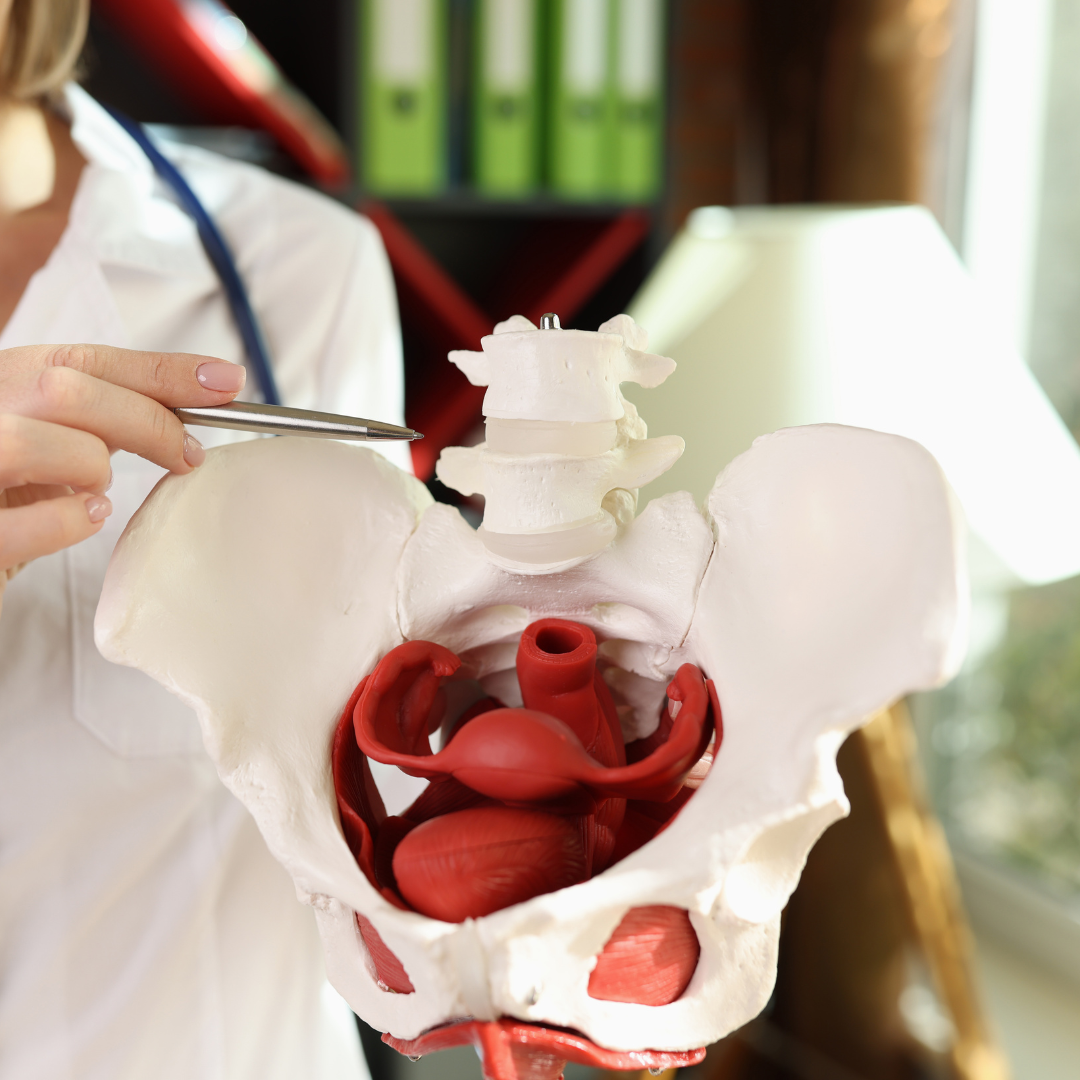
Pregnancy, delivery, and postpartum recovery change the demands placed on your abdominal wall, pelvis, hips, and pelvic floor. Care may address pelvic or hip pain, leaking, pressure, abdominal separation, scar sensitivity, and uncertainty about returning to activity.
Savannah helps active women rebuild strength and confidence through a progressive return to running, lifting, impact, and exercise after pregnancy.
Start With a Free Call
Your training matters, but it is only one part of the full picture. Savannah also provides individualized care for symptoms affecting everyday life, bladder and bowel function, sexual health, pregnancy, and menopause.
You do not need to know whether pelvic health PT is right for you before reaching out.
Use a free 15-minute call to explain what is happening, ask questions, and find out whether an evaluation makes sense.
Your evaluation considers your history, goals, movement, strength, symptoms, and the activities that bring them on.
Leave with clear next steps and a progressive plan designed around the demands of your training and everyday life.
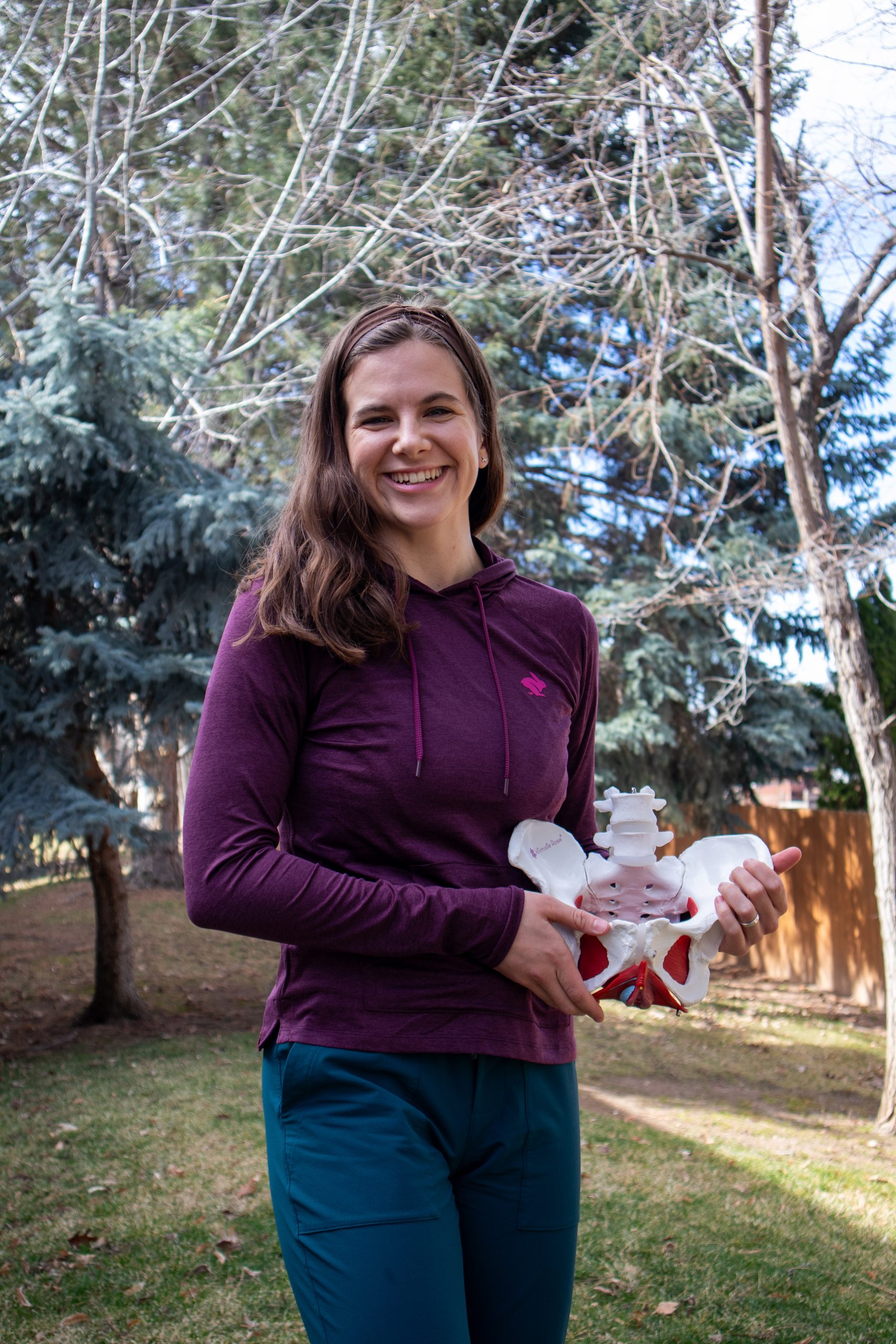
Savannah has been a runner throughout her life, including competing collegiately. During physical therapy school, a difficult delivery and emergency C-section changed her own relationship with training.
Pelvic health physical therapy helped her find a clear path back to running and strength training without pain or pelvic symptoms. That experience shaped the provider she became. Today, she helps active women receive pelvic health care that respects the level at which they want to move.
Savannah will explain your options and keep you informed and in control throughout the process.
Not automatically. Savannah will help you understand what you can safely keep doing and whether temporary changes to volume, intensity, impact, or load would help while you build capacity.
No. Savannah works with women across the lifespan, including athletes who have never been pregnant, women returning postpartum, and women navigating perimenopause or menopause.
An internal assessment can provide useful information, but it is not the only way to assess the pelvic floor. It will always be explained beforehand and is completely your choice.
Kegels are only one possible tool. Your symptoms may relate to coordination, mobility, pressure management, strength elsewhere in the body, recovery, or training load. Treatment should reflect what your individual system needs.
No. Idaho allows direct access to physical therapy, so you can contact Savannah directly.
Fit & Function is a cash-based clinic and does not bill insurance directly. HSA and FSA accounts are accepted, and we can provide a superbill that you may submit for potential out-of-network reimbursement.
Tell Savannah what you are experiencing and learn what the right next step could look like for you.
Book Your Free CallFree 15-minute call. No referral required. No pressure or commitment.
Explore our other physical therapy services in Boise